
Water as a Guiding Principle
The Fundamental Component of Life on Earth
Water’s importance to life is undisputed in scientific discourse. In photosynthesis, the chemical compounds H2O and CO2 are broken down and restructured into glucose to be used for energy, while the byproduct, oxygen, is expelled. For humans and other animals, water maintains body temperature, protects joints and organs, flushes out waste, and transports nutrients. The human body is composed of up to 60% water.

Water Scarcity and Distribution
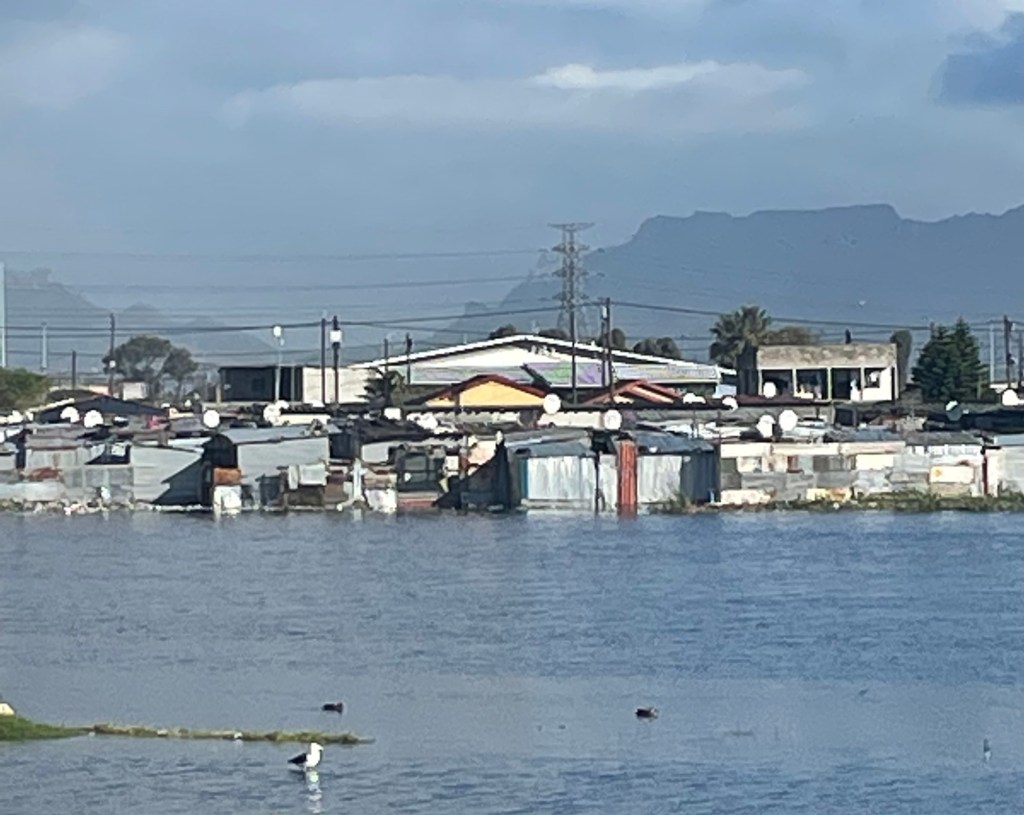
Among the 332,500,000 cubic miles of water on Earth, only about 1.2% can be used as drinking water. According to the United Nations, “In 2024, 2.2 billion people still lacked safely managed drinking water; 3.4 billion people lacked safely managed sanitation; and 1.7 billion lacked basic hygiene services at home.” Water stress is strongly linked to a lack of sufficient water infrastructure, which requires significant financial investment. The cyclical relationship between poverty and water scarcity is widely recognized amongst experts in the field. Climate change has already begun to negatively impact water supplies and increase water scarcity.
The Interdisciplinary Nature of Water
Water is integral not only for drinking, but also intersects with nearly every aspect of modern society, including health, agriculture, energy, and technology development. Thus, supporting the just distribution of water also supports equity across communities.